

How to treat the exhaust gas from automobile maintenance and painting booths? Collection and purification configuration for the spraying process
Release time: 2026-10-06
View count:
The characteristics of exhaust gas from automobile maintenance and painting booths differ from those of industrial painting: the amount of paint sprayed per application is small, the air volume is large, and the concentration is low. However, paint mist and solvent vapor coexist, and the start-stop operations fluctuate with the pace of receiving orders. The approach to treating this type of exhaust gas is "first remove the paint mist, then purify the solvent": if the paint mist is not removed completely, the subsequent purification materials will quickly become clogged; the method chosen for solvent purification must be appropriate, so that both emissions and workshop odors can be controlled simultaneously. The configuration should not be overly ambitious, but rather match the pace of painting. Both investment and operating costs should be spent effectively. Before configuring, it is important to calculate two accounts: one is the electricity cost brought by the air volume, and the other is the consumable cost brought by material replacement. Only when these two accounts are balanced can the economic efficiency of the solution be sustained.
What are the characteristics of exhaust gas
The exhaust gas from the paint booth consists of two parts: paint mist, which consists of paint droplets and cured particles with large particle size and is prone to deposition; and solvent vapor, which consists of diluent and volatile components in the paint, with low concentration but mixed components. The air volume is determined according to the cross-sectional air velocity requirements of the paint booth, and the total volume is not small, with obvious dilution effect. The operation is intermittent - it is common to spray for one day and stop for two days. The purification equipment must adapt to frequent start-ups and shutdowns, and the materials cannot be affected by moisture and harden due to downtime. These operational characteristics should be taken into account when selecting the equipment.
Collection and pretreatment of paint mist
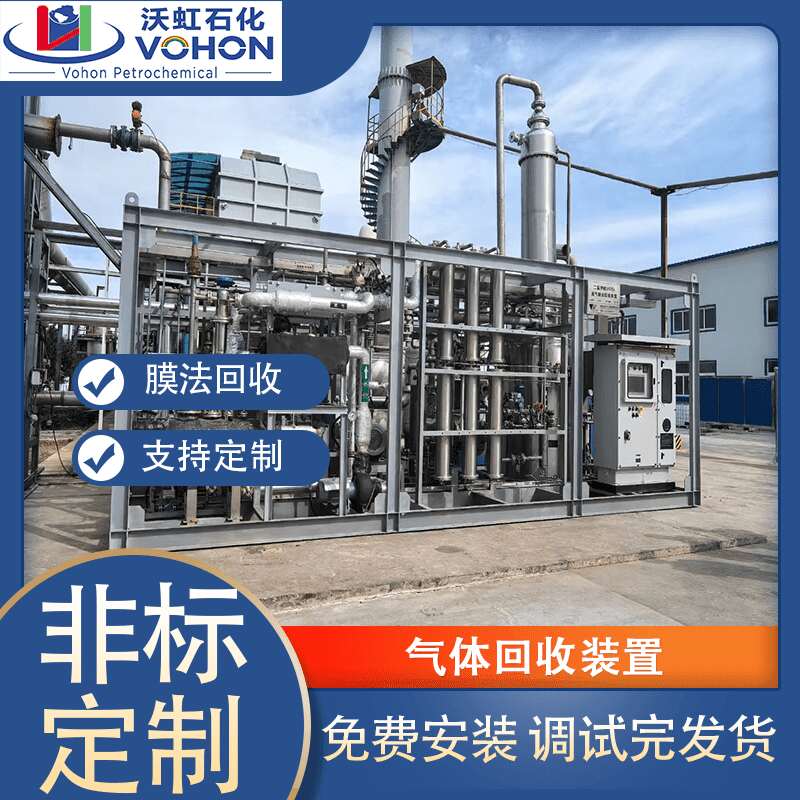
The paint mist collection is completed within the spray booth itself: water curtains or dry filter felts capture most of the paint mist, and the residual amount of paint mist at the exhaust outlet is already very low. A further level of filtration is added between the exhaust and purification equipment to intercept escaping fine paint mist and protect downstream materials. The resistance of the filter material is monitored by pressure difference, and the filter is replaced promptly when the pressure difference increases. The replacement cycle is recorded in a ledger - material costs are minor, but the decrease in air volume and purification failure caused by uncontrolled pressure difference are significant. The slope direction of the air duct and maintenance access are designed together to facilitate the cleaning of accumulated paint. The frequency and responsibility for cleaning are also included in the inspection content. The replaced filter material and paint slag are bagged and sealed on the same day, stored in a ventilated and rain-proof location, and the transfer coordination with the disposal unit is arranged in advance to ensure no accumulation on site.
How to prepare for solvent purification
| link | characteristic | Configuration arrangement |
|---|---|---|
| Paint mist | Large particle size is prone to sedimentation | Intercepted by water curtain or filter felt |
| Solvent vapor | Low concentration and impure components | Primarily relying on adsorption purification |
| Air volume | The cross-sectional wind speed is required to be high | Air volume matching and airspeed control |
| Operational rhythm | Frequent intermittent start-stop operations | Equipment and materials should be moisture-proof and anti-compaction |
| monitoring | Emissions and pressure difference | Regular inspection and record keeping |
| waste | Waste carbon paint slag | Standardized disposal of hazardous waste |
For solvent exhaust gas with low concentration and high air volume, the purification configuration primarily relies on adsorption: granular carbon or honeycomb carbon adsorption beds, with air volume matching and space velocity controlled within an appropriate range, and regular replacement or desorption regeneration before adsorption saturation. For sites with low paint volume and low frequency, regular replacement of activated carbon in activated carbon boxes can meet the requirements; for chain maintenance factories with high paint volume, consider a combination of rotary concentration and oxidation treatment. The investment is calculated based on the paint volume, and it is not necessary to invest if the scale is not large enough. The emission outlet should be located in a position convenient for inspection, and inspections should be conducted regularly after commissioning. The odor problem in the workshop should be addressed simultaneously by starting with collection and sealing. Once the source of unorganized emissions is controlled, the odor will naturally decrease.
How to implement operation management
- Two-stage paint mist interception, with pressure difference monitoring and material replacement based on trends;
- The space velocity of the adsorption bed matches the air volume, and replacement is arranged before saturation;
- Prevent moisture in intermittent start-stop equipment, and promptly address any material compaction;
- Regularly inspect the emission outlets and record the data in a ledger to observe trends;
- Conduct synchronous investigation and collection of workshop odor, focusing on the sealing of the collection end;
- The replaced spent carbon and paint slag should be disposed of in accordance with hazardous waste regulations.
Frequently Asked Questions
How often should the activated carbon be replaced?
The replacement cycle is determined based on the amount of paint sprayed and inspection data, and there is no unified periodicity. For sites with low paint spray volumes, the replacement cycle ranges from quarterly to semi-annual. The basis for replacement before saturation is the emission trend and carbon accounting. After several rounds of record-keeping, the cycle becomes accurate.
How should we dispose of the used activated carbon that has been replaced?
Waste activated carbon is classified as hazardous waste and should be disposed of by qualified entities with complete transfer documentation. Self-incineration or disposal is not compliant. The disposal cost should be included in the operating costs during the planning stage to avoid any future passivity.
Which is better, water curtain type or dry type?
Each has its own application: water curtain has a high capture rate and is suitable for continuous spraying, but it generates wastewater that needs to be treated; dry type has no wastewater and simple maintenance, suitable for intermittent automotive repair scenarios. Choose according to spraying frequency and wastewater conditions, and don't blindly pursue the latest technology.
This article is compiled by Luoyang Wohong Petrochemical Equipment Co., Ltd., which provides design, manufacturing, and operation and maintenance services for condensation recovery, membrane separation recovery, and complete solvent recovery equipment to chemical and pharmaceutical enterprises. If you need process evaluation or scheme configuration, please feel free to contact us for discussion.