

product


About us
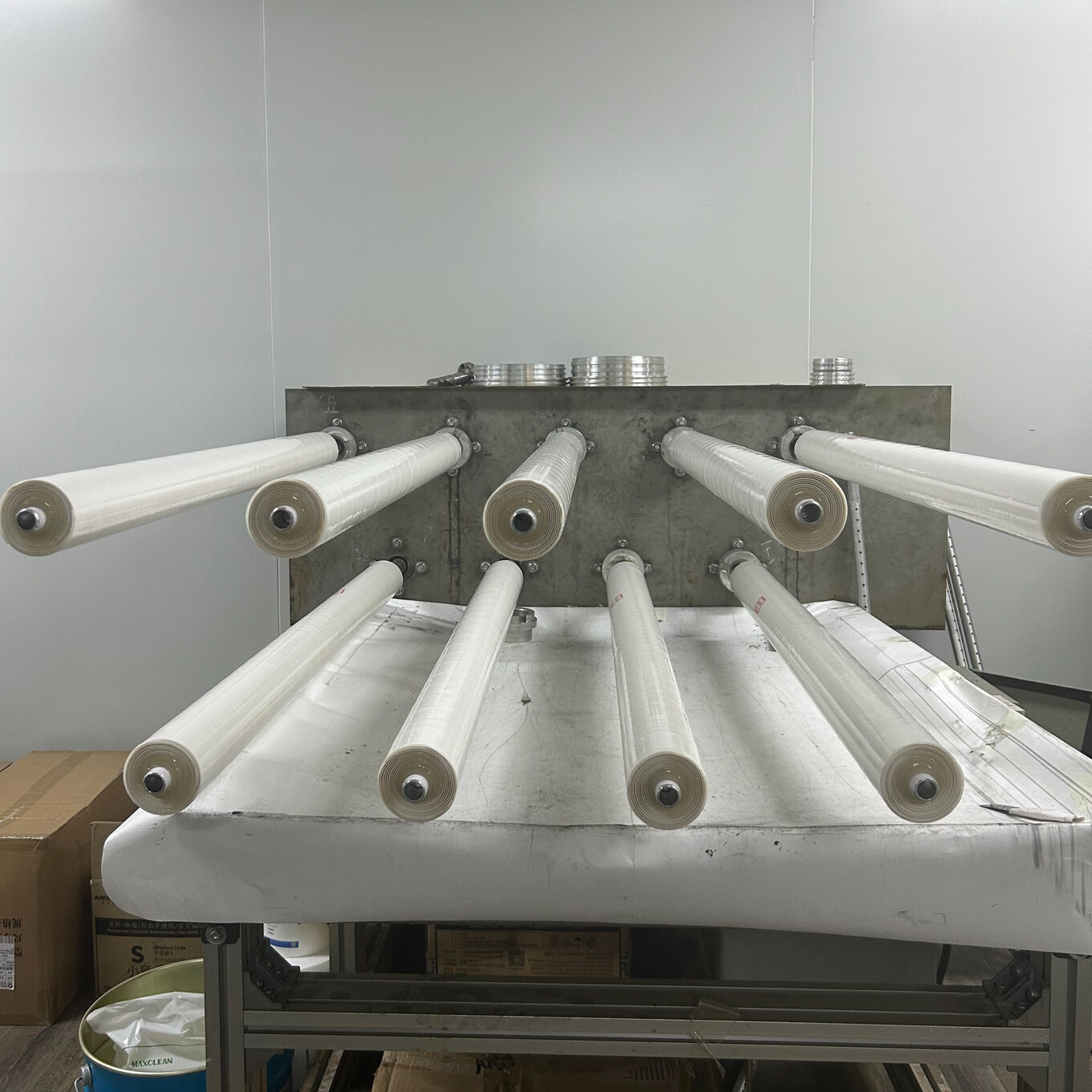
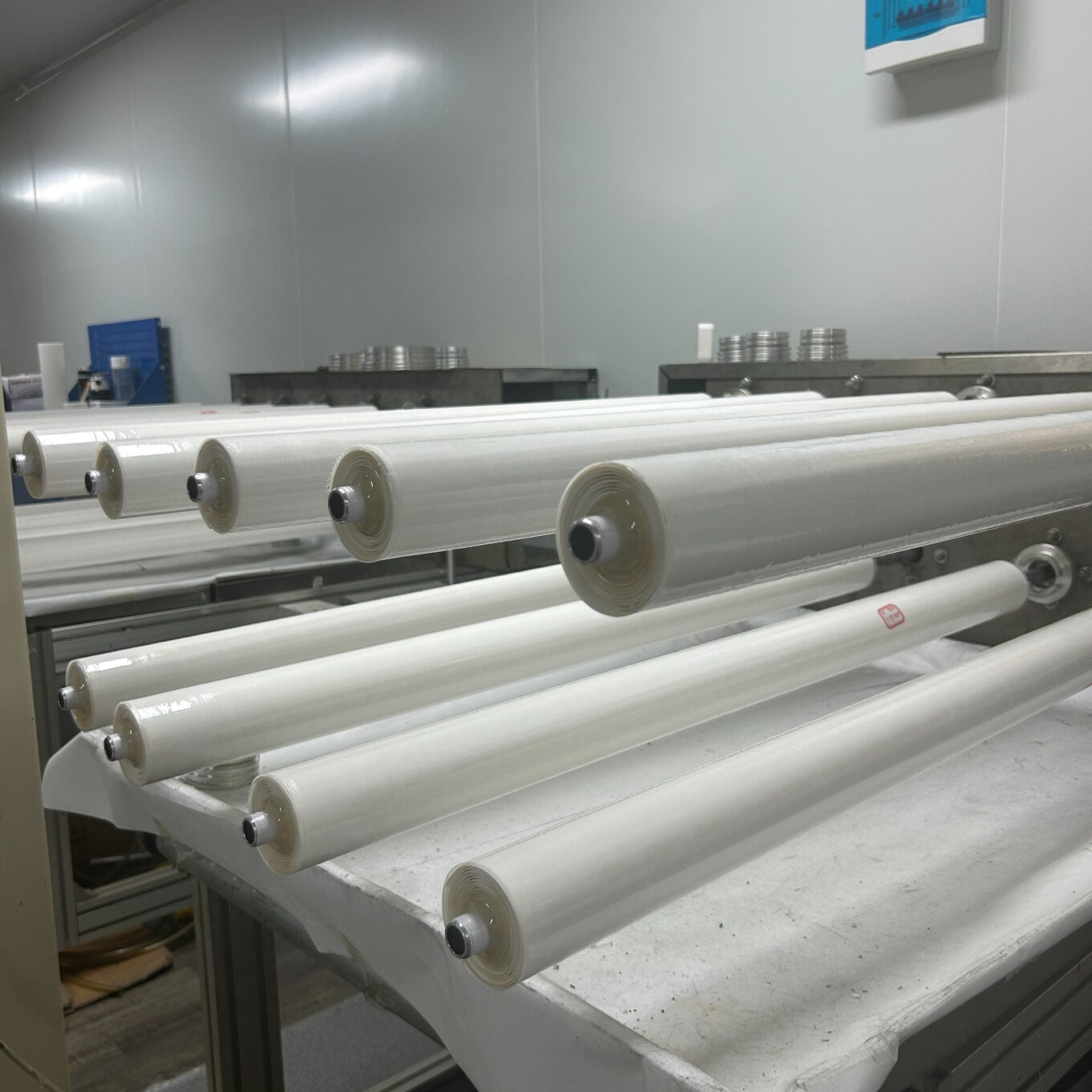
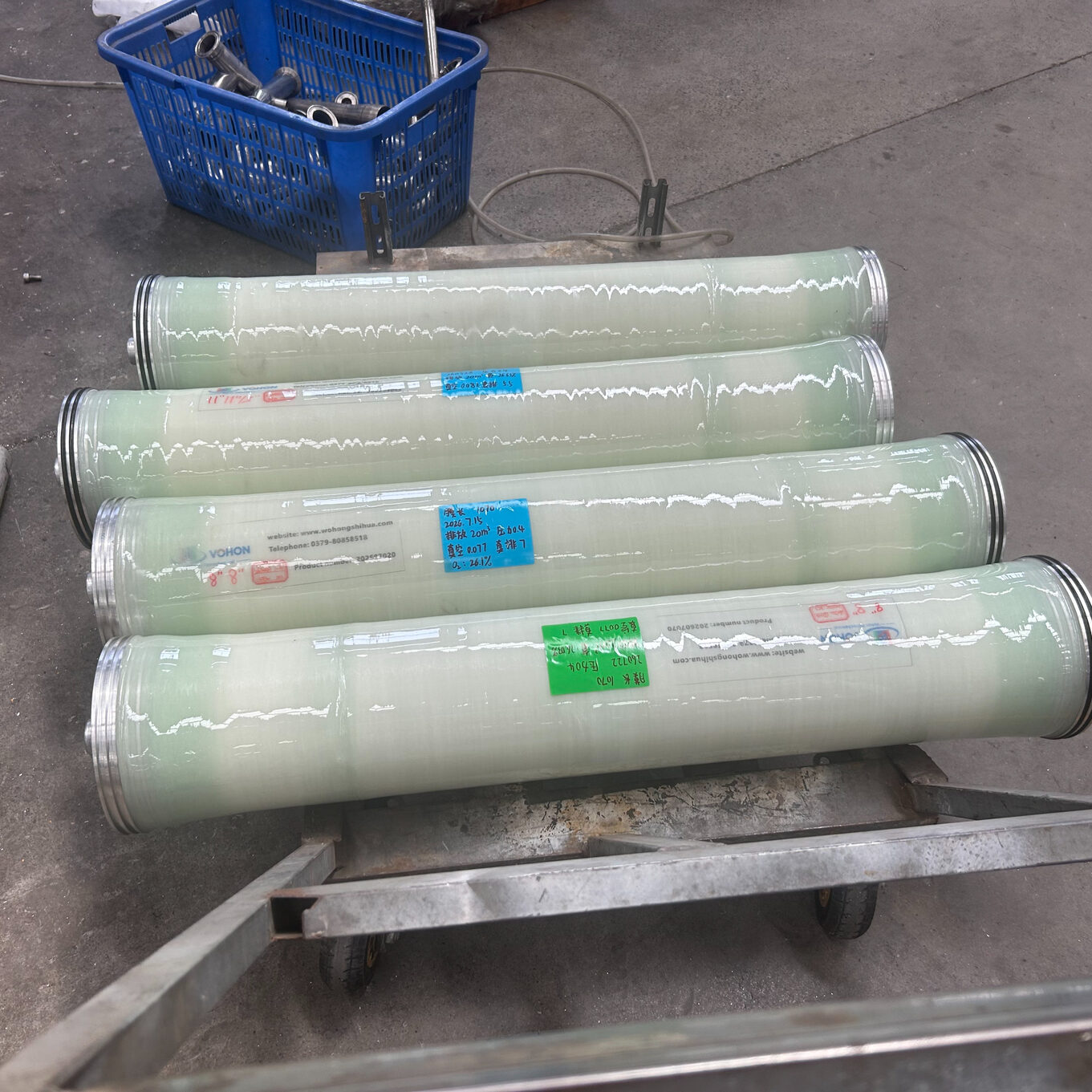
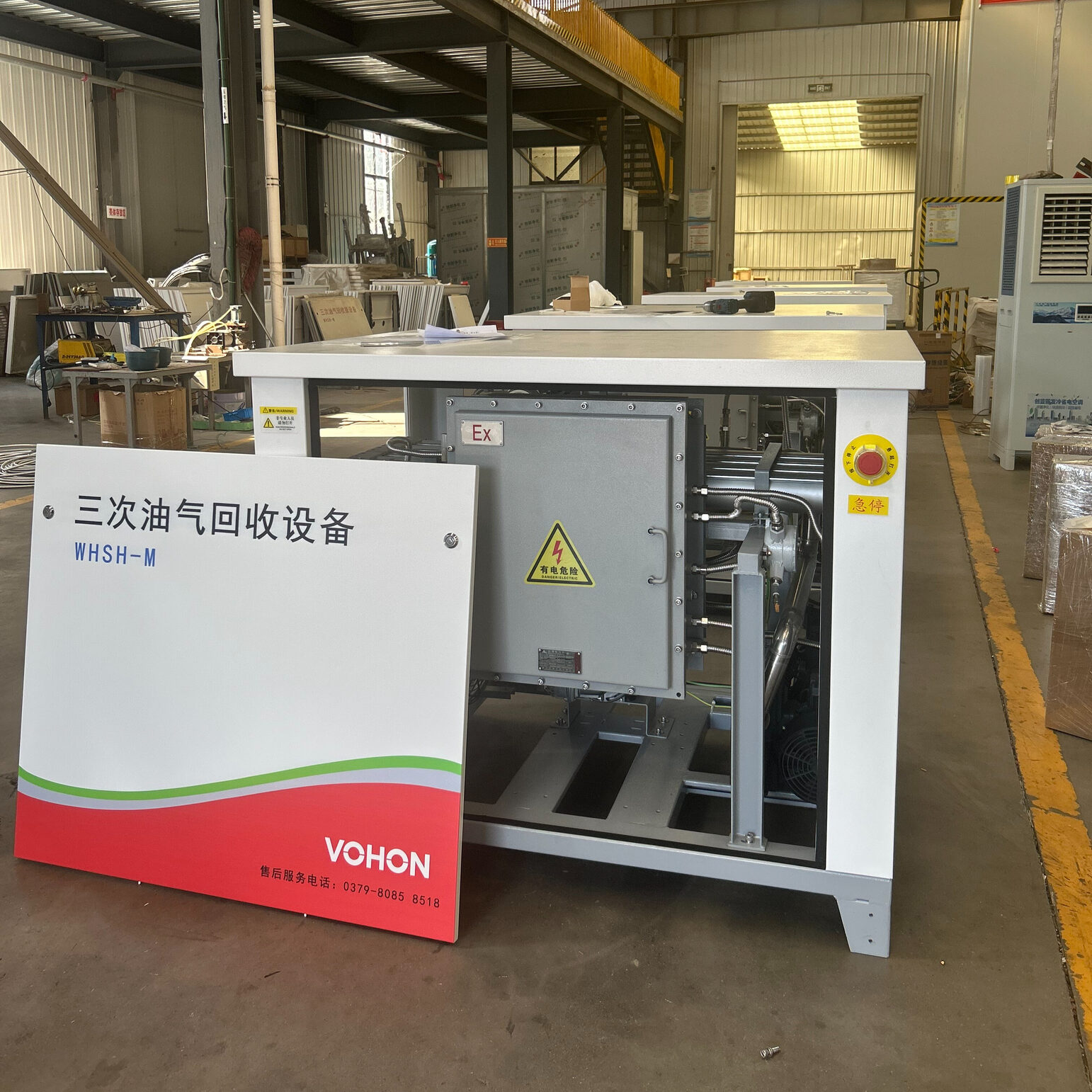
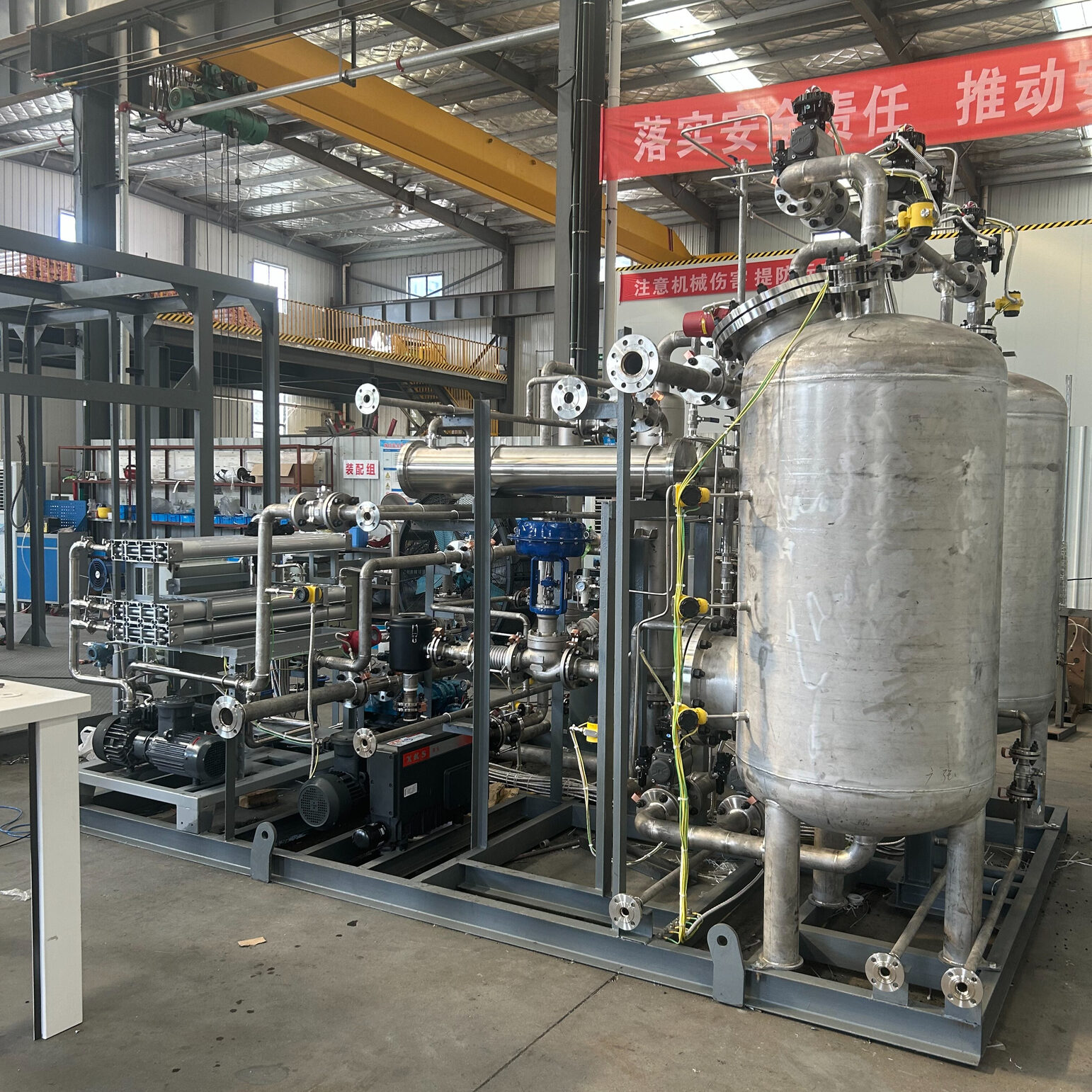
Luoyang Wohong Petrochemical Equipment Co., Ltd., established in March 2017 with a registered capital of 80.18 million yuan, is a high-tech enterprise specializing in the resource recovery and treatment of VOCs organic waste gases in the pharmaceutical, fine chemical, and petrochemical fields. Located in Luoyang, the City of Peony, the company boasts a factory area covering 18.4 acres. It possesses a modern standard production plant spanning 3,639.6 square meters and a standardized office area occupying 1,234.53 square meters. With comprehensive production and office facilities, the company possesses substantial hardware support capabilities. Having deeply cultivated its expertise in environmental protection equipment research and manufacturing for many years, the company focuses on the efficient treatment and solvent resource recovery of various volatile organic waste gases, including alkanes, halogenated hydrocarbons, alcohols, ethers, esters, and ketones. It primarily serves industries such as pharmaceutical active pharmaceutical ingredients, pharmaceutical intermediates, fine chemicals, and new pesticide materials, while retaining its core business of traditional petrochemical oil and gas recovery. Its main products encompass complete sets of equipment such as VOCs exhaust gas membrane recovery liquefaction devices, specialized organic waste gas recovery equipment for pharmaceutical and fine chemical industries, oil and gas recovery devices, tertiary oil and gas recovery equipment, gas separation membrane components, and supporting online monitoring systems.Relying on the core R&D platform of the Henan Oil and Gas Recovery Engineering Technology Research Center, the company has established a professional team for scientific research, manufacturing, and marketing services. By innovatively integrating processes such as compression condensation, membrane separation, and resin adsorption coupling, it can customize exclusive overall solutions for VOCs recovery and treatment tailored to complex scenarios such as pharmaceutical factories' intermittent operating conditions and high-fluctuation chemical waste gases. The entire process can achieve efficient recovery and reuse of commonly used organic solvents such as acetone, dichloromethane, and ethyl acetate, reducing waste gas emissions and hazardous waste output from the source, and assisting industrial and mining enterprises in achieving sustainable development goals of energy conservation, consumption reduction, green and low-carbon development. The company boasts a capable management team and a high-quality professional technical team, always adhering to the core values of "innovation, quality, service, conservation, dedication, and gratitude". With rigorous product quality control and continuous technological iteration ..
yearIndustry R&D experience
itemBusiness coverage areas
+Technological invention
+Industry solutions

Industry

Introduction to industrial exhaust gas: According to the coating production process, coating exhaust gas mainly comes from the spraying and drying processes. The pollutants emitted mainly include paint mist and organic solvents generated during spraying, as well as organic solvents produced through evaporation during drying. The paint mist mainly originates from the air

Introduction to industrial exhaust gas: The atmospheric pollutants generated by printing mainly include ink exhaust gas produced during printing and exhaust gas emitted by gasoline used to clean ink sticks. Solvent-based ink (containing 50-60% volatile components) and diluent, volatile components

Introduction to industrial waste gas: During the production process, pharmaceutical companies use organic solvents with low melting points and good volatility. These solvents are likely to evaporate and cause pollution during the production process, with emissions mainly occurring during feeding, reaction, and solvent

Introduction to industrial waste gas: The waste gas from the chemical industry is relatively complex, and the composition of waste gas generated by different chemical products varies. For example, there are rubber chemical plants, synthetic resin chemical plants, pigment chemical plants, plastic chemical plants, and so on. For the chemical industry
News Center
 2026-10-20
In the vacuum distillation and vacuum desolventization processes of reaction vessels, if the solvent vapor is directly discharged after being extracted by the vacuum unit, it will not only cause material loss but also pollute the workshop. This article outlines the configuration ideas for collection, pre-condensation, and fractional recovery at the emission points of the vacuum system, providing a reference for fine chemical enterprises.
2026-10-19The regulating pool of the wastewater treatment station is the concentrated point of odor and VOCs emissions in the plant area, with solvent vapor continuously emitted from its open surface. This article summarizes the source characteristics of exhaust gas from the regulating pool, as well as the ideas for covering, collecting, arranging, and configuring condensation recovery, providing reference for enterprise transformation.
2026-10-18The issue of "gun-carrying and meter-running" can be divided into two categories: fixed value and continuous. The root causes often lie in the rubber hose of the fuel dispenser's foot valve and the breather valve. A continuous meter-running issue can also arise from a leaky connection between the oil and gas circuits on the recovery side. This article clarifies the mechanisms and troubleshooting methods for both categories.
2026-10-18The wind speed of branch pipes is determined based on sedimentation risk in different sections, while the main pipe is designed according to the velocity reduction of converging airflow. The wind speed inside the pipes must be higher than the lower limit of dust accumulation. This article clarifies the criteria for value selection, pipe fitting design, and key points for commissioning and acceptance.
2026-10-17The excessive gas emission during oil unloading is often caused by blocked recovery ports on tank trucks, poorly sealed connections, and insufficient vacuum within the station. This article clarifies the troubleshooting methods and key points for matching inspection with tank trucks.
2026-10-16The paint mixing process involves frequent opening, pouring, and stirring of paint buckets, resulting in high volatilization intensity due to exposed liquid surfaces. It is one of the most concentrated sources of fugitive emissions in paint workshops. This article examines the emission characteristics of the paint mixing process, as well as the key points for the layout and collection of paint mixing rooms, and the configuration of exhaust gas condensation and recovery systems.
2026-10-20If there is no record-keeping to support the production, reuse, and outsourced disposal of recycled solvents, it will be difficult to account for losses and calculate costs. This article introduces the setting of ledger accounts, inventory registration, monthly loss verification, and ways to cooperate with service providers, providing reference for enterprises to establish their own accounts.
2026-10-19Operation records of solvent recovery devices are generated monthly, yet few companies utilize them as a basis for improvement. This article introduces the scope of monthly review data, meeting organization, closed-loop rectification, and cooperation methods with service providers, providing a reference for companies to establish a review mechanism.
2026-10-17If the acceptance inspection of the solvent recovery device after maintenance is not rigorous, potential hazards such as seal leakage, instrument inaccuracy, and parameter drift may easily occur. This article introduces the preliminary preparations for acceptance inspection after maintenance, quality inspection items, trial operation checks, and service delivery arrangements, providing reference for chemical and pharmaceutical enterprises.
2026-10-16Order adjustments or production line rotations may result in the solvent recovery unit being shut down for several months. Improper sealing can lead to the deterioration of residual liquids, aging of seals, and inaccuracies in instruments. This article outlines the complete arrangement for shutdown sealing, maintenance during the sealing period, and reactivation, and introduces the supporting services provided by Luoyang Wohong.
2026-10-14Annual inspection is a regular environmental protection action for gas stations, oil depots, and chemical enterprises. Whether it can be successfully passed depends half on the state of the equipment and half on preparation and cooperation. This article outlines the inspection content, preparation before inspection, key points for on-site accompaniment, and the process for rectifying and retesting non-conformities. It also introduces the inspection cooperation services provided by Luoyang Wohong.
2026-10-13The inspection report focuses on four types of data: emission concentration, tightness, liquid resistance, and gas-liquid ratio. This article teaches you how to read the readings, how to compare them with the limit values, and how to keep records.
 Friendship Links

 Company Name:
Luoyang Wohong Petrochemical Equipment Co., Ltd
 Hotline:
13526990215
 Company Address:
W2-1, Dongda Technology Industrial Park, Luoxin Industrial Cluster, Xin'an County, Luoyang City
 E-mail
lixiang@vohonoilpipe.com

Scan to follow us
Luoyang Wohong Petrochemical Equipment Co., Ltd Powered by EyouCms Henan ICP Registration No. 17014668-11 sitemap.xml