

Luoyang Wohong Petrochemical Equipment: Introduction to Performance Assessment and Recovery Rate Testing Services for Solvent Recovery Devices
Release time: 2026-09-27
View count:
After the solvent recovery device is built, whether the recovery rate and emission indicators meet the standards or not depends on the performance assessment. Performance assessment is the main basis for device delivery and payment nodes, and also the starting point for future operation benchmarks. The assessment work is highly specialized and involves multiple parties. The service content is to solidify the boundary conditions, test organization, and data interpretation of the assessment, so that the assessment results can withstand verification by all parties.
Most disputes in assessment arise from boundary conditions: intake concentration, load rate, and ambient temperature are not agreed upon in advance, leading to conflicting data. Writing the conditions down in a written agreement before the assessment is the most valuable part of this service.
How to determine assessment criteria
The boundary conditions are documented item by item: intake concentration range - determined based on design values and actual operating conditions, with sampling periods agreed upon for processes with large fluctuations; device load rate - assessed within a certain range of rated load; environmental conditions - assessment of extreme temperatures is arranged to be avoided or annotated; sampling location and method - sampling points at inlet and outlet, sampling frequency, and analysis method are determined in advance. After confirmation of conditions, all parties sign and the test is conducted as agreed.
Preparation for working conditions is also part of the service content: ensuring the thermal operation of the device, instrument calibration, and modification of sampling ports before the assessment, checking each item in place to avoid having to start over due to insufficient preparation on the day of testing. During the assessment, the cooperation of the station's operating personnel should be disclosed in advance: load adjustments during sampling, changes in recording frequency, and clear communication during meetings to ensure smooth testing.
How to organize a test
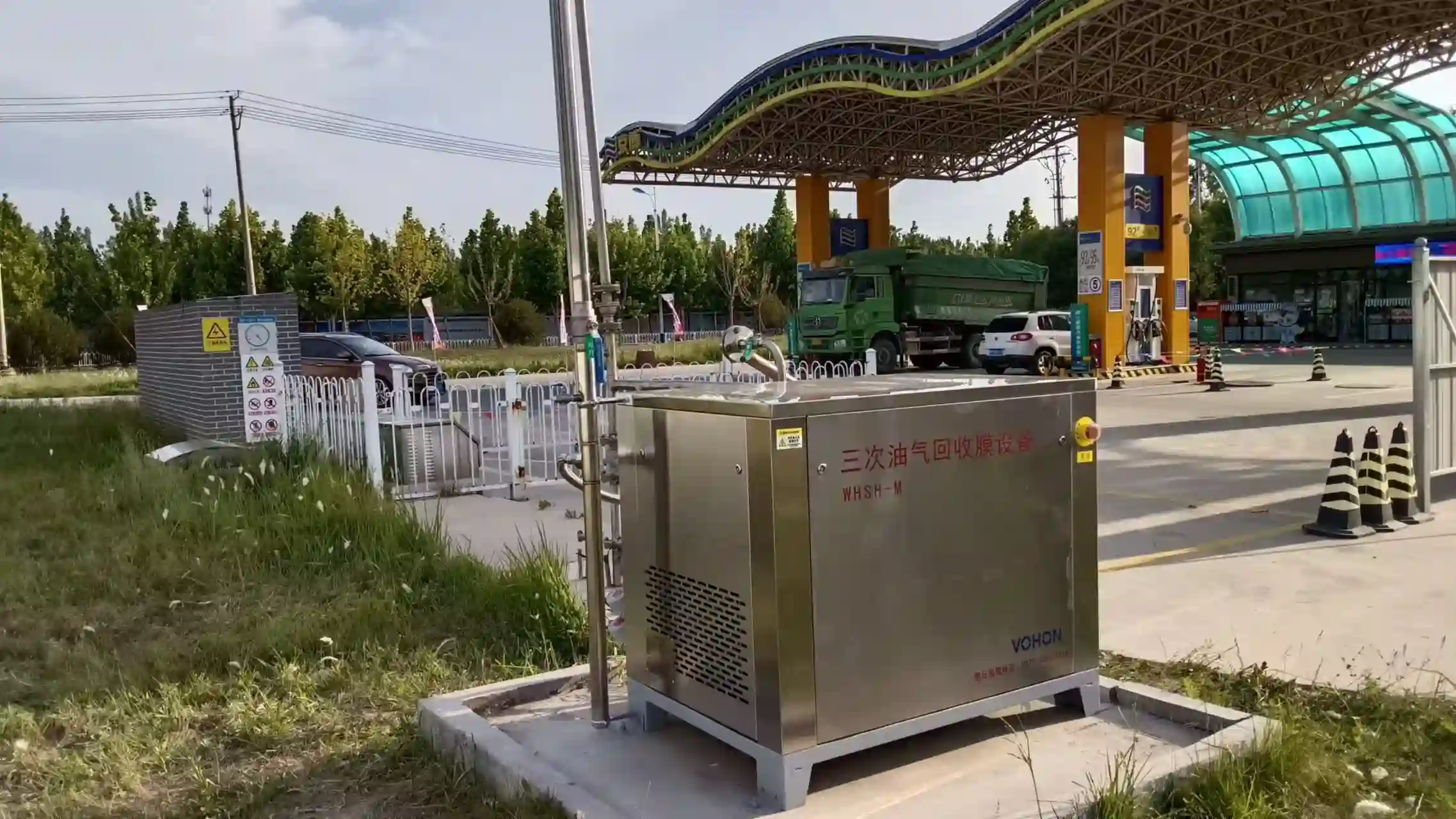
The testing organization is divided into two lines: the device side ensures stable operation, with loads and parameters locked according to assessment conditions, and operation records are simultaneously archived; the testing side conducts sampling and testing according to the plan, with synchronous sampling at the inlet and outlet, and an additional sample is taken for arbitration. The calculation method for recovery rate is unified in advance - whether based on material balance or the difference in inlet and outlet concentrations, the results differ between the two methods. It is agreed upon to use one method throughout the process.
The intervention of testing institutions shall be arranged according to contract requirements: if a third-party report is required, the qualifications of the institution and the testing plan shall be submitted for review in advance; if the enterprise conducts self-testing with witness, the witness shall sign and confirm the test records.
How to interpret data
| assessment item | Test method | Key points of interpretation |
|---|---|---|
| recovery rate | Material balance or concentration difference | Unify the caliber in advance |
| emission concentration | Simultaneous sampling of imports and exports | Both the fluctuation range and the mean value are observed |
| Operating load | Flow and parameter recording | Within the assessment range, it shall be subject to the rules |
| Recycled liquid quality | Take samples from each batch for testing | Dual indicators of purity and moisture |
| Device stability | Continuous operation record | Number of downtime and alarms |
| Energy consumption | Itemized measurement | Compare with the design value |
The interpretation of test data goes beyond looking at the average value: the fluctuation range of the data also indicates problems. If the average value meets the standard but there is significant fluctuation, there may be factors contributing to unstable operating conditions. When interpreting, it is important to identify the cause of the fluctuation and distinguish whether it is due to a device issue or an operating condition issue, to avoid attributing operating condition issues to the device.
How to implement the service
- Complete the sorting and written confirmation of boundary conditions before the assessment;
- Conduct item-by-item verification for device hot-state preparation and instrument calibration;
- Prepare the testing plan, with clear sampling points, frequency, and calculation criteria;
- Participate in the entire testing process, with both operation and sampling carried out simultaneously;
- Data interpretation and dispute resolution, with a detailed analysis of the causes of fluctuations;
- The assessment report is archived, and the operational benchmark data is handed over to the station party.
Frequently Asked Questions
What should we do if the device fails to meet the assessment criteria?
First, distinguish the cause and attribution: if the operating conditions deviate from the agreed conditions, adjust the operating conditions and conduct a retest; if it is indeed due to insufficient device capacity, follow the rectification process as per the contract and conduct a retest after rectification. Clarifying the cause in the interpretation phase is the foundation for handling disputes.
Is the data credible given the significant process fluctuations during the assessment period?
The fluctuation is within the agreed range, and the data is valid; batches that exceed the range are marked separately and processed according to the agreed data processing rules. This is also why the boundary conditions need to be clearly stated in advance.
Will the data from the performance assessment still be useful later on?
have The assessment benchmark serves as a reference for judging future performance degradation of the device. When the recovery rate decreases after two to three years of operation, a comparison with the assessment benchmark can help distinguish between normal degradation and malfunction. This is where the basis for the maintenance plan lies.
This article is compiled by Luoyang Wohong Petrochemical Equipment Co., Ltd., which provides design, manufacturing, and operation and maintenance services for condensation recovery, membrane separation recovery, and complete solvent recovery equipment to chemical and pharmaceutical enterprises. If you need process evaluation or scheme configuration, please feel free to contact us for discussion.