

Why is multi-stage compression necessary for solvent recovery using condensation method? Energy saving and efficiency logic
Release time: November 3, 2026
View count:
Why is multi-stage compression necessary for solvent recovery using condensation method? Direct answer: Lowering the vapor pressure to a very low level in a single stage will result in a significant increase in power consumption and exhaust temperature. Multi stage compression distributes the total pressure ratio to each stage, and inter stage cooling takes away heat, reducing power consumption while controlling exhaust temperature. The recovery efficiency and energy consumption are improved synchronously. The judgment criteria are based on the pressure ratio corresponding to the target condensation temperature: the higher the pressure ratio, the more suitable the classification is. This article clarifies the logic of energy conservation and efficiency. Many sites only ask about equipment prices when selecting, ignoring operating electricity costs and lifespan, resulting in saving equipment money and losing operating accounts; Multi level compression is precisely to balance this account, allowing the recovered solvent money to cover the electricity bill and generate surplus.
The energy consumption trap of single-stage compression
To condense solvent vapor to a very low temperature, the compressor needs to raise the pressure very high. As the pressure ratio increases, the power consumption per unit of refrigeration capacity increases nonlinearly; At the same time, the exhaust temperature skyrockets with the increase of pressure ratio, leading to the deterioration of lubricating oil and the shortening of equipment life. A common misconception on site is that in order to save time, a single large-scale machine is installed, resulting in higher electricity costs than the equipment and frequent machine malfunctions. If the pressure ratio exceeds a certain range, a single level is neither economical nor safe.
How to save multi-level compression
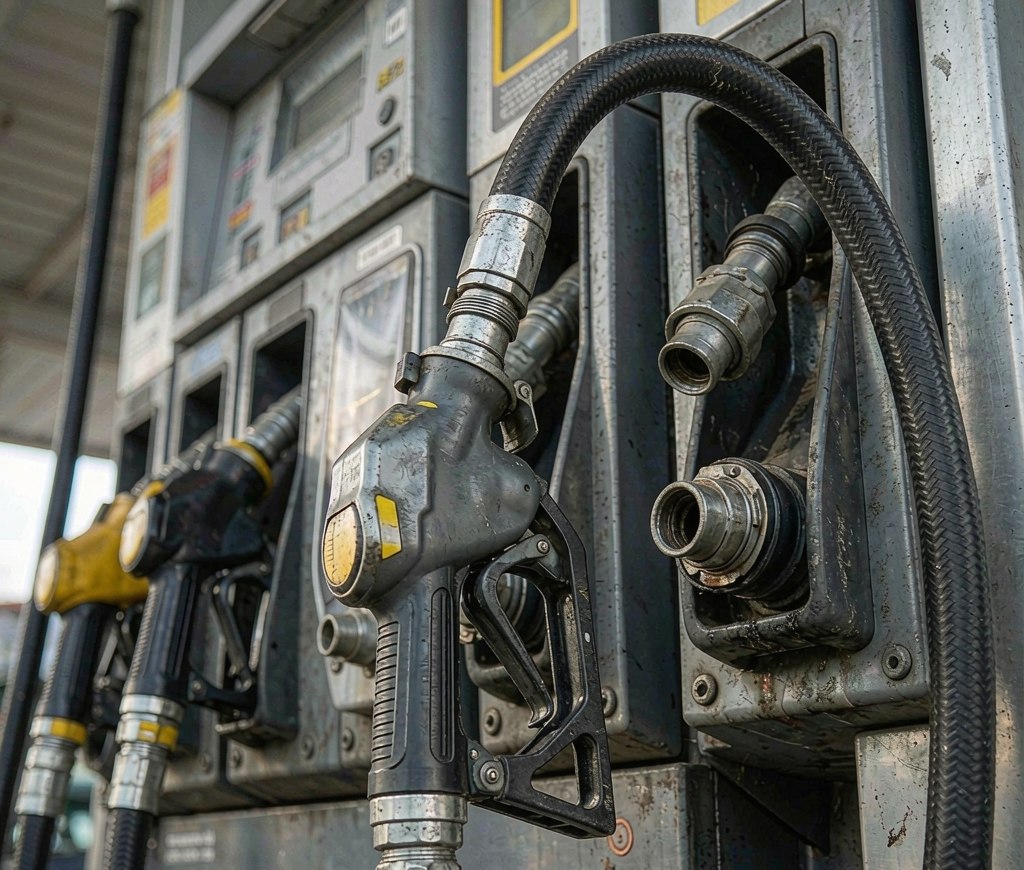
Multi stage compression divides the total pressure ratio into several sections, with each section only bearing a portion, and intermediate coolers are used between stages to bring the gas temperature back to room temperature before entering the next stage. The advantage is that each segment operates in a more efficient interval, with a total power consumption lower than that of an equivalent single-stage; The exhaust temperature is also suppressed by inter stage cooling, and there is no need to rely on excessive fuel injection or complex cooling to keep it cool. The more stages, the better. Set the target temperature and operating conditions to the stage where marginal benefits disappear, usually covering most solvent recovery scenarios with two to three stages.
Intermediate cooling and heat exchange
Inter stage cooling is the soul of multi-stage compression: if the cooling is not thorough, the next stage's intake temperature will be high, the volume will be large, and power consumption will not be saved; Excessive cooling increases the heat transfer burden. The design diameter is matched with the heat exchanger area based on the inlet and outlet temperature and pressure ratio of each level, so that each level of intake air returns to near room temperature. Scaling on the heat exchange surface or insufficient refrigerant can directly consume the benefits of inter stage cooling, and the heat exchange temperature difference is considered a key monitoring item in daily life.
The relationship between efficiency and recovery rate
Multi stage compression stabilizes the temperature, resulting in more complete condensation and an increase in recovery rate; Conversely, a high recovery rate means that more solvents are converted back into liquids, and material revenue covers electricity costs. The efficiency logic is to calculate the equipment efficiency, recovery rate, and operating electricity cost together: only the recovery rate is pursued without considering the electricity cost, and the solvent money recovered may not be enough to pay for the electricity; Only focusing on power saving is not up to standard, and compliance costs have returned. The equilibrium point is determined by the unit price of solvents and electricity in the station.
Selection comparison
| plan | Pressure ratio burden | exhaust gas temperature | Energy consumption and efficiency |
|---|---|---|---|
| Single-stage high voltage ratio | Full pressure one carry | soar | The surge in power consumption is uneconomical |
| Two level compression | Divide two sections | Inter stage cooling pressure | Significant decrease in power consumption |
| Three level compression | Further allocation | more stable | High target temperature is better |
| Insufficient inter stage cooling | Equivalent inefficiency | relatively high | Revenue is being consumed |
| Heat exchange scaling | High intake temperature | Affects energy efficiency | Monitoring temperature difference and preventing scaling |
| balance point | According to the working conditions | Temperature control and lifespan | Recovery rate and electricity cost are calculated together |
Selection steps
- Target condensation temperature and pressure ratio;
- Calculate single-stage power consumption and exhaust temperature;
- Ranked by marginal revenue;
- Cooling and heat exchange between stages;
- Monitoring heat exchange temperature difference to prevent scaling;
- Calculate the recovery rate and balance the electricity bill.
Frequently Asked Questions
How to choose between Level 2 and Level 3?
Look at the target condensation temperature: Two levels are sufficient for situations where the target temperature is not high and the pressure ratio is moderate, and only three levels are required when pursuing very low temperatures or high pressure ratios; One more level, one more set of cooling and piping, stop at the level where the marginal revenue disappears, don't blindly increase the level.
What are the consequences of high exhaust temperature?
Accelerated deterioration of lubricating oil, shortened lifespan of seals and valves, and in severe cases, triggering shutdown protection; The inter stage cooling of multi-stage compression is to keep the temperature within the tolerance range of the equipment, and cooling failure is equivalent to returning to the high-temperature heat sink of a single stage.
Where to check the recycling rate first?
Let's first look at inter stage cooling and heat transfer: insufficient cooling and heat transfer result in insufficient condensation and naturally low recovery rate; Recheck the status of the refrigerant and compressor, don't just blame the end collection, the temperature zone in the front section is not in place, and the recovery rate cannot be replenished later.
This article is organized by Luoyang wohong petrochemical equipment co., ltd. the company provides design, manufacture, installation, commissioning and operation and maintenance services for oil and gas recovery equipment, solvent recovery devices and buried composite pipe networks at gas stations, oil depots and chemical enterprises. if you need scheme configuration or on-site investigation, please contact and exchange.