

What do gas station environmental inspections check? Oil and gas recovery ledger and record points
Release date: 2026-10-22
View count:
What do gas station environmental inspection check? Direct answer: The inspection content is around three lines-whether the equipment is installed or not, whether the operation is normal, and whether the records are incomplete. On site, check the intact state and operation parameters of the fuel dispenser, recovery device, vacuum pump and liquid collecting cover, check the gas-liquid ratio, liquid resistance, tightness and other inspection reports, and turn over the operation and maintenance and inspection records. For stations with on-site hardware up to standard, points are often lost in the ledger: missing items are recorded, data is out of file, and there is no closed loop for rectification. Making records into habits is the most economical preparation for orientation.
What to check on site?
On-site inspection starts from the tanker: the gas collecting hood is in good condition, the hose is not damaged, and the self-sealing of the refueling gun is normal; Look at the recovery device body: vacuum pump operation status, console parameters and alarm records, and whether the device operates as designed. Pipeline side to see the tightness: flanges, valves, joints have no signs of leakage. If there is on-line monitoring, check whether the monitoring data is consistent with the on-site status. The inspectors will also conduct practical verification-do a refueling on site to see if the recycling action is normal, which cannot be replaced by paper records.
Check what records
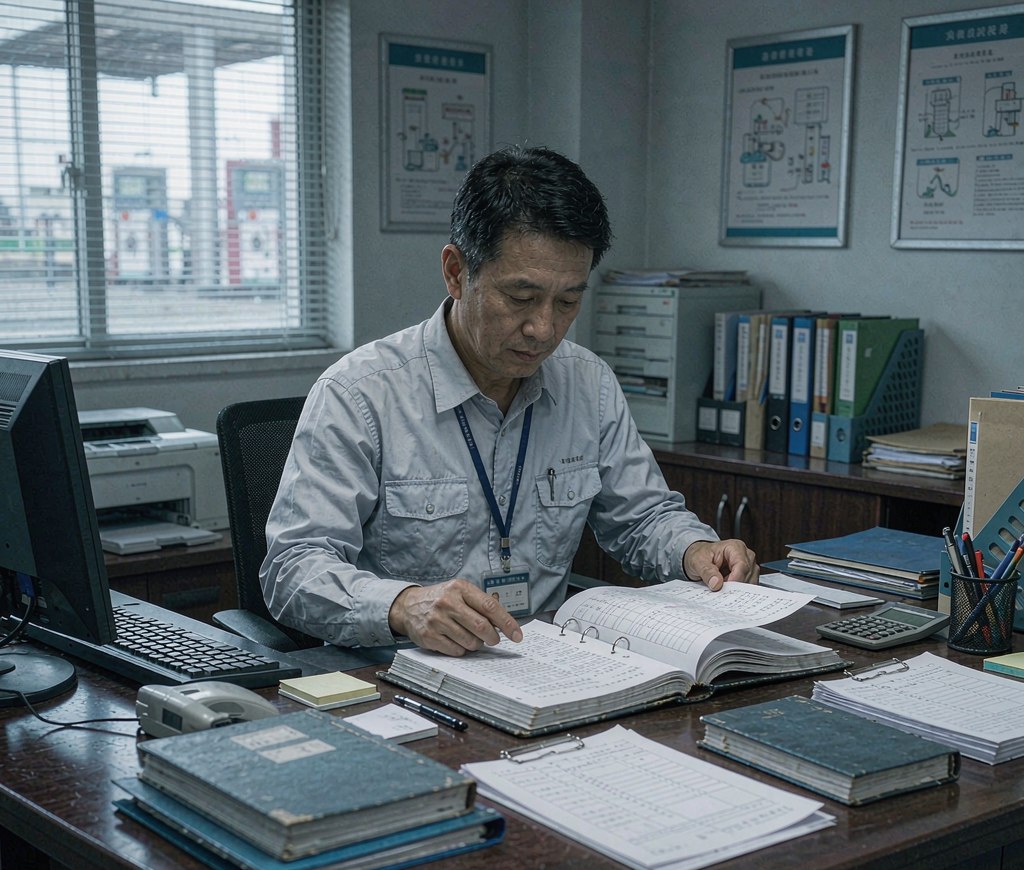
The record is the highlight of the orientation. There are several types to be prepared routinely: regular inspection reports (gas-liquid ratio, liquid resistance, tightness, etc., according to local requirements), daily inspection records, maintenance records, failure and rectification closed-loop records, training records, oil purchase and recovery ledgers. The logic of the inspection is not whether there is one or not, but whether it is right or not-the site information, equipment number and date of the inspection report should correspond to the actual situation on site, and the time and frequency of the inspection records should reflect the real operation. It is easy to make up records and compile data before inspection, and truthfully recording marks is the right way.
How to build a ledger to save worry
The core of the ledger is continuity: it is recorded once a day for inspection, closed loop after fault handling, and archived when the test report is received. In a unified form, the five elements of date, item, data, processor and result are complete. Monthly binding, annual filing, electronic backup of important records. When the site personnel change, the ledger handover is a must-the new webmaster can read the operation status of the station after turning over the records for three months, and the handover is completed.
Required Items List
| Category | Inspection content | Common points lost |
|---|---|---|
| Device status | Fuel dispenser, vacuum pump and recovery device in good condition | Operation with disease due to component damage |
| operating parameters | Console parameters, monitoring data | No record of parameter change |
| Test report | Gas-liquid ratio, liquid resistance, tightness | Report out of date or site mismatch |
| Operations and Maintenance Records | Patrol inspection, maintenance and rectification | Record broken gear without closed loop |
| Personnel training | Operation training and certification | Missing training records |
Preparation steps for orientation inspection
- Check the validity period of the test report and make an appointment for the test in advance;
- Organize the inspection and maintenance records for nearly 12 months, and make up the broken files;
- For unfinished rectification item by item, the supporting evidence shall be retained;
- Field drill for refueling recovery once, and make sure the operation is normal;
- Check and update training records and personnel's certification status.
The welcome inspection is not a temporary cramming, but a presentation of daily kung fu. For stations with complete daily records, only the data need to be arranged in sequence when welcoming the inspection. For stations that do not record daily, they will be supplemented one week before the inspection, and the supplemented items will not stand close inspection.
How to answer common questions
The on-site questions of the inspectors focused on several points: why the device operated with this parameter, when was the last test done, how to deal with the problems found, and who trained the operators. The premise of answering is that these contents are really in the record. The principle of the answer is truthful-the parameter is the set value, the detection is the reporting date, the processing is the ledger entry, and the unknown admission is not known and recorded. Answering irrelevant questions on the spot and being vague are the most likely to trigger in-depth inspections. Take each welcome inspection as a control, and take the next round calmly for whatever is missing.
Do records have to be handwritten?
No, electronic records are equally effective. The key is that they are well documented, continuous and complete, and can correspond to the actual situation on the spot.
How to record if the rectification is not completed?
Truthfully record the rectification progress, planned completion time and responsible person. Rectification in progress and non-rectification are two different things. Concealment is more serious than unfinished rectification.
Check general advance notice?
Spot checks are usually not advanced. Making a solid daily record is more reliable than knowing the inspection time in advance.
This article is organized by Luoyang wohong petrochemical equipment co., ltd. the company provides design, manufacture, installation, commissioning and operation and maintenance services for oil and gas recovery equipment, solvent recovery devices and buried composite pipe networks at gas stations, oil depots and chemical enterprises. if you need scheme configuration or on-site investigation, please contact and exchange.
Share to