

Why should the liquid collecting tank be pumped regularly? The influence of excessive liquid resistance and secondary recovery
Release date: 2026-10-22
View count:
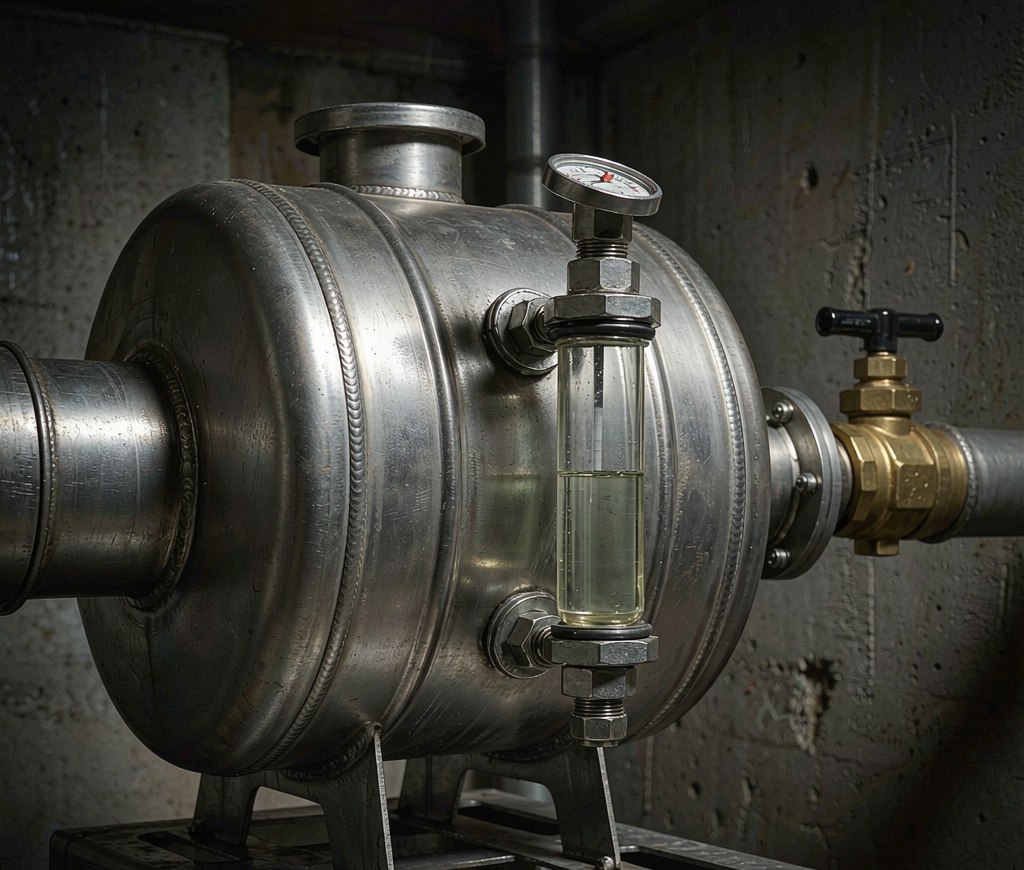
Why is it necessary to regularly pump oil from the collection tank? Direct answer: The gas return pipeline of the secondary recycling fuel dispenser will bring back a small amount of gasoline, which will accumulate in the collection tank; The liquid level in the tank is high, and the return air channel is blocked, forming a liquid resistance. The gas-liquid ratio of the fuel dispenser also drops, and the test is naturally unqualified. If the liquid level exceeds the warning line and is not dealt with, gasoline may be sucked back into the trachea or overflow from the tank. There is no unified cycle for oil pumping, which is determined by liquid level and season. It is increased during rainy season and peak refueling period, and can be judged by checking the liquid level gauge during daily inspections.
Where did the accumulated oil come from
The oil in the collection tank mainly comes from the return air and liquid of the secondary recovery system of the fuel dispenser: during refueling, the vacuum pump pumps the oil and gas in the tank back to the tank, and the trace gasoline droplets carried in the gas condense at the low point of the return pipe and collect in the collection tank. Small amount and multiple sources - condensation at the return port of the refueling gun, liquid accumulation in the hose, and residual liquid during system maintenance. Just looking at it every day doesn't seem like much, accumulating for a week or two can be quite substantial. That's also why liquid level checks must be conducted on a daily basis: the accumulation rate of invisible substances is faster than most people estimate.
What is the reason for exceeding the liquid resistance standard
Liquid resistance is the obstruction of gas flow by liquid in the return air pipeline. When the liquid level in the collection tank is high enough to submerge the inlet of the return gas, the gas needs to bubble through the liquid layer before returning to the oil tank, causing a sudden increase in resistance. The vacuum pump cannot exert force, resulting in a low gas-liquid ratio and a decrease in recovery efficiency during refueling. Severe liquids can be directly carried into the return air main by the airflow, contaminating the entire pipeline. During testing, if the liquid resistance is not qualified, this is where most of the problems lie - pumping oil first and then retesting, which is much faster than checking the equipment.
How to determine the pumping cycle
There is no universal cycle, it is determined by three factors: fuel volume, season, and liquid level gauge reading. The basic principle is to draw when the liquid level reaches the warning line, without waiting for a specific date. In experience, regular stations are checked every one to two weeks, but during peak refueling periods and high volatility in summer, it is shortened to three to five days. The pumping operation should follow the regulations: stop the machine, relieve pressure, use explosion-proof tools and containers, and recycle the extracted oil according to the station management system. Do not dump it at will.
Three things for daily inspection
| Check item | What are you looking at? | exception handling |
|---|---|---|
| liquid level | Level gauge reading | Draw oil at the warning line |
| Tank body | Corrosion and leakage | Rust removal, leak repair or replacement |
| Valve | Flexible opening and closing, no leakage | Maintenance or replacement |
Inspection and disposal steps
- Daily inspection of liquid level gauges, recording readings and trends;
- Arrange oil pumping at the cordon without delay;
- Recheck the liquid level and return air flow after pumping to ensure they are unobstructed;
- Monthly verification of gas-liquid ratio detection data and cleaning records of the collection tank;
- Discovered oil discoloration with water, investigated the source and reported it.
The liquid collection tank is the most inconspicuous and easily overlooked component in the oil and gas recovery system of a gas station - it does not rotate, make any noise, or produce any data until it passes the inspection and is only remembered. Writing it on the daily inspection table and drawing it when the liquid level reaches the line is the lowest cost guarantee for meeting the standard.
View together with adjacent components
The liquid collection tank does not exist in isolation. During inspection, adjacent components should be examined together: whether the working sound of the vacuum pump for secondary recovery is abnormal, whether there is liquid accumulation in the gas return window of the refueling machine, and whether the oil and gas concentration in the manhole and operation well is too high. These parts belong to the same gas return chain as the collection tank, and a liquid accumulation in one place often indicates that there is also a liquid accumulation elsewhere. During the monthly inspection, comparing the cleaning records of the collection tank and the gas-liquid ratio detection data on a table can intuitively show the relationship between the timeliness of cleaning and the pass rate of detection - putting the data together makes it clear whether the inspection has been done or not.
Can the extracted oil be directly poured out?
No. The extracted oil products should be collected, measured, and recorded according to the station's oil product management system. Improper dumping not only causes losses but also poses safety and environmental risks.
What if the liquid level gauge cannot see clearly?
Wipe the outer wall of the liquid level gauge first, and replace the transparent tube or liquid level gauge if it is still unclear. If it cannot be seen clearly, it cannot be judged, which is equivalent to not having this inspection.
Just pumped the oil and the resistance is still not qualified?
Check for other low points of liquid accumulation and valve status in the return gas pipeline. The source of liquid resistance is not limited to the collection tank alone.
This article is organized by Luoyang wohong petrochemical equipment co., ltd. the company provides design, manufacture, installation, commissioning and operation and maintenance services for oil and gas recovery equipment, solvent recovery devices and buried composite pipe networks at gas stations, oil depots and chemical enterprises. if you need scheme configuration or on-site investigation, please contact and exchange.