

Key points for the operation of membrane separation devices in frigid regions: low temperature conditions and seasonal management
Release date: 2026-10-10
View count:
The key points for operating membrane separation oil and gas recovery devices include moisture prevention in East and South China, and freeze prevention in Northeast and Northwest China. The low temperature in severe cold regions has a comprehensive impact on the devices: the difference between condensation temperature and room temperature becomes smaller, and the refrigeration load in winter actually decreases. However, the pressure taps of instruments, heat tracing pipelines, water vapor condensation, and dew point control before the membrane all change their properties at low temperatures. Most of the failures at northern stations in winter are not due to major equipment problems, but rather inadequate attention to freeze prevention details. This article clarifies the impact of low temperature conditions in severe cold regions and the key points for seasonal management, which can be used as a reference for self-inspection by the operation and maintenance teams at northern stations.
Where is the impact of low temperature
The impact of low temperature on the process chain can be viewed in three stages: At the collection end, the heavy components of the oil and gas in the pipeline are more prone to condense at low temperatures, leading to gas and liquid blockages due to the accumulation of condensate. Alarms increase at locations with insufficient slope of branch pipes after winter. At the condensation end, due to low ambient temperature, the condensation pressure of the refrigeration unit decreases, which in turn improves efficiency, but defrosting and frozen drainage pose new problems. At the membrane end, if liquid is present before the membrane, the operating conditions of the liquid film are worse at low temperatures, and the load and dew point control requirements of the dehumidification section are stricter. The impacts of these three stages are different, and the countermeasures vary accordingly. It is not sufficient to generally say "be careful of antifreeze in winter".
What are the details of anti-freezing measures
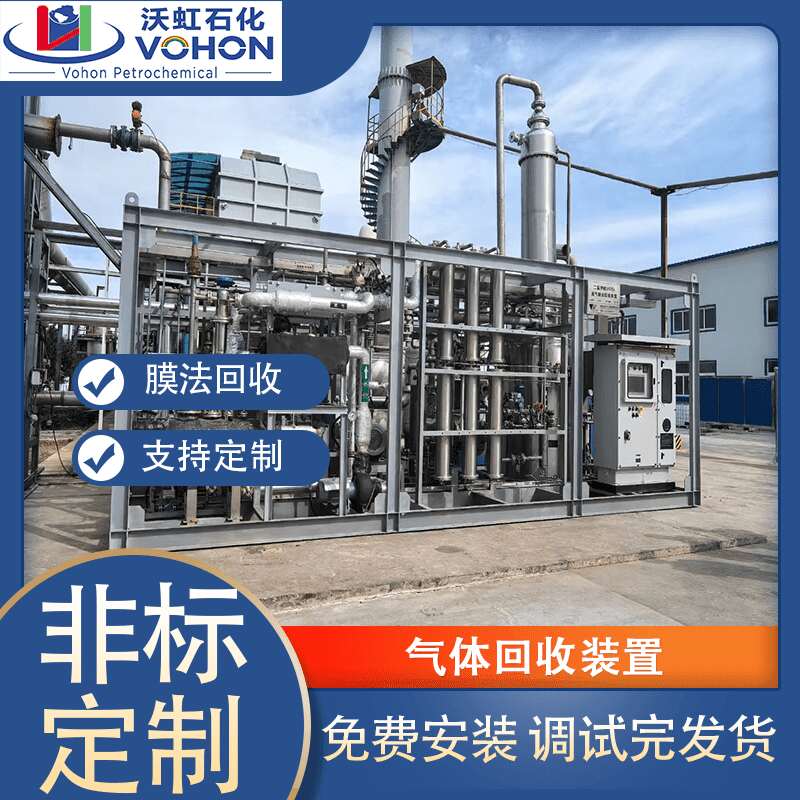
The anti-freezing checklist is listed by parts: the pressure taps and instrument leads should be heat traced and insulated, and an electrical test should be conducted before winter; the drains and blow-off valves should be protected against freezing during cold nights, either by adding insulation boxes or switching to anti-freezing models; the frost heave inspection of breather valves and liquid seals should be completed once before winter; the temperature control verification of insulation boxes for outdoor instrument transmitters should be carried out; and the residual liquid in the deactivated pipeline sections should be completely drained. These individual details are not expensive, but the cost of failure is frost damage and downtime - the repair costs and business losses from a single freeze incident are enough to double the insulation work for the entire station.
How to manage during seasonal changes
Seasonal management is calendared: initiate self-inspection one month before winter, review the anti-freezing checklist item by item, and close the loop on defects before winter; strengthen inspections corresponding to cold wave warnings - confirm the use of heat tracing and increase drainage frequency; after spring, reverse the operation, and synchronize the withdrawal of heat tracing with insulation inspection. Seasonal transition points are linked to operational parameters: the condensation temperature level in winter can be appropriately adjusted upward, and the potential for energy savings lies in the environmental temperature difference; the dew point control standard before the membrane is stricter in winter, as water vapor condensation can cause more subtle damage to the membrane than in normal temperature seasons. Record parameter adjustments for future reference during seasonal transitions.
There is another local experience for northern sites: during the design phase of equipment selection in high-cold regions, the lower limit of ambient temperature should be included in the technical conditions - the low temperature rating of instruments and electrical components, the thickness of the insulation layer of skids, and the power density of heat tracing, all of which should be verified based on local historical low temperatures, rather than directly copying the configuration of southern projects.
Seasonal management checklist
| body part | Low temperature impact | Antifreezing countermeasures |
|---|---|---|
| Collection pipeline | Condensate accumulation and liquid blockage due to gas resistance | Slope verification and residual liquid drainage |
| Condensing unit | Defrosting drainage freezes | Temperature-dependent upregulation of electricity |
| Dehumidification before membrane | Deterioration of liquid film operating conditions | Strict control of nudity |
| Instrument pressure introduction | Impulse piping is frozen | Heat tracing and insulation winter test |
| Breathing valve components | Frost heave failure | Special inspection before winter |
| Seasonal change point | Drift misjudgment | Calendarization action closed loop |
Key points for winter operation
- Conduct point-by-point power-on tests for heat tracing and insulation before winter;
- The anti-freezing modification of the drainage valve of the drainer was completed before the cold wave;
- The inspection of breathing valves and liquid seal frost heaving will be completed in a closed loop before winter;
- Collect and verify the slope of branch pipes and low-point drainage on a monthly basis;
- The dew point control standard before the membrane should be strictly enforced in winter;
- The cold wave warning has triggered enhanced inspections and records have been kept.
Frequently Asked Questions
Will membrane separation efficiency decrease in winter?
Low ambient temperature is beneficial to the condensation side, while the key to the membrane side lies in the absence of liquid in front of the membrane - with proper dehumidification and dew point control, the recovery rate can remain stable in winter; the main factor affecting the recovery rate is condensate freeze-up, not the membrane itself.
Can the entire device be enclosed in a thermal insulation shed?
Yes, the insulation shed can serve both as a freeze-proofing and maintenance environment, but attention should be paid to the compliance of ventilation and explosion-proof zoning - the risk of gas accumulation inside the shed should be assessed, and ventilation openings and explosion venting surfaces should be reserved according to specifications.
Which areas should we pay the most attention to during a cold wave night?
Focus on three points: check the status of heat tracing, the drainer and drain valve, and whether the instrument readings are refreshing normally; conduct an additional round of inspection during the early morning low temperature period, and deal with any signs of freeze-up on the spot.
This article is compiled by Luoyang Wohong Petrochemical Equipment Co., Ltd., which provides design, manufacturing, and operation and maintenance services for condensation recovery, membrane separation recovery, and complete solvent recovery equipment to chemical and pharmaceutical enterprises. If you need process evaluation or scheme configuration, please feel free to contact us for discussion.
Share to